Few things in modern medicine have saved as many children's lives as vaccines. Diseases that once filled children's wards — measles, polio, whooping cough, severe diarrhoea — are now rare in Kenya precisely because generations of parents have kept their children's immunization schedules faithfully. This guide walks you through Kenya's childhood vaccination schedule and answers the questions parents ask us most at the Kagio Hospital child welfare clinic.
Kenya's routine immunization schedule
- At birth: BCG (against tuberculosis) and the first oral polio vaccine
- 6 weeks: first doses of pentavalent vaccine (diphtheria, whooping cough, tetanus, hepatitis B, Hib), pneumococcal vaccine, rotavirus vaccine and oral polio
- 10 weeks: second doses of pentavalent, pneumococcal, rotavirus and polio
- 14 weeks: third doses of pentavalent, pneumococcal and polio, plus the injectable polio vaccine
- 6 months: vitamin A supplementation begins (repeated every six months to age five)
- 9 months: first measles-rubella vaccine and yellow fever vaccine
- 18 months: second measles-rubella dose — the one most often forgotten
- 10–14 years (girls): HPV vaccine to prevent cervical cancer later in life
Keep your child's immunization card (MCH booklet) safe and bring it to every clinic visit, even sick visits. It is the single most important health document your child owns.
Why does the timing matter so much?
Each vaccine is scheduled for the moment your child's immune system can respond well and before the age when the disease is most dangerous. Delaying vaccines leaves your child exposed during their most vulnerable months. If you have missed doses, do not start again from zero — catch-up is always possible. Bring your child and the card to our child welfare clinic and we will bring the schedule up to date.
Common myths — and the facts
- “Vaccines cause the illness.” False. A mild fever or soreness for a day shows the immune system is learning — it is not the disease.
- “A sick child cannot be vaccinated.” Mild coughs and colds are not a reason to delay. Our clinicians will assess and advise.
- “So many vaccines overload a baby.” False. A baby's immune system handles thousands of germs daily; vaccines are a tiny, safe fraction of that.
- “Vaccinated children never fall sick, so a sick child means vaccines failed.” Vaccines prevent specific serious diseases; children will still catch ordinary colds — but they are protected where it matters most.
Beyond vaccines: what happens at the child welfare clinic
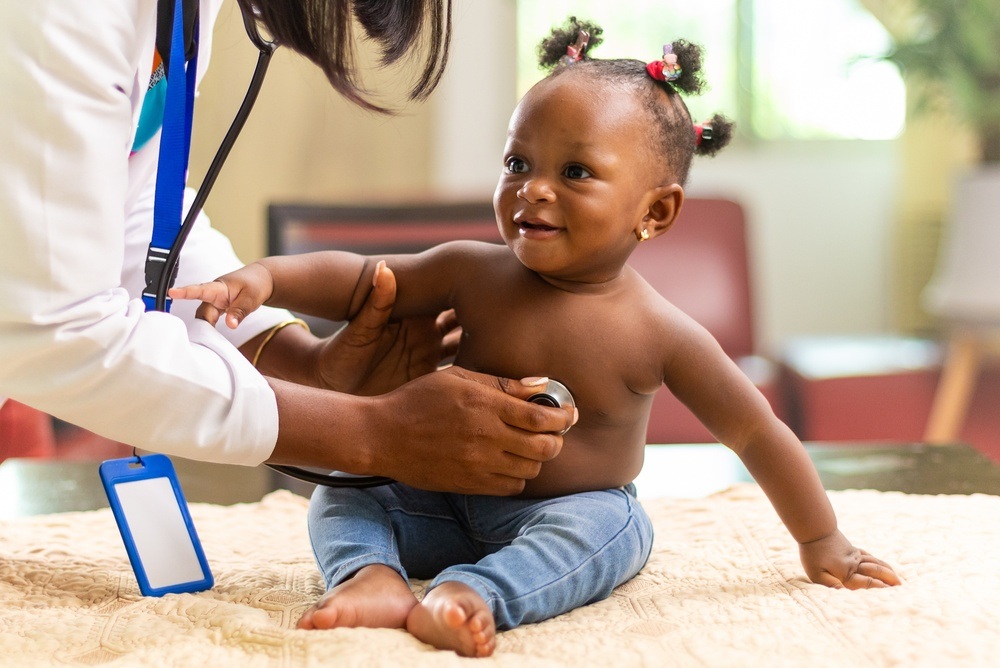
Immunization visits at Kagio Hospital are complete child check-ups. At every visit we also:
- Weigh your child and track growth on their chart
- Screen for malnutrition and give vitamin A and deworming on schedule
- Check developmental milestones — sitting, walking, speech
- Answer your feeding and health questions, from breastfeeding to weaning
Vaccinate at Kagio Hospital
Our child welfare and immunization clinic runs on weekdays, with paediatrician support for children who need specialist review. Routine childhood vaccines under the national programme are provided free of charge. If your child has missed any dose — or you are unsure — come in with the MCH booklet, or call 0797 580 065.
Ten minutes at the clinic buys your child a lifetime of protection.