Imagine losing your sight so gradually that you never notice — until the day you realise you can no longer see people approaching from the side. That is glaucoma, and eye doctors call it the “silent thief of sight” for a heartbreaking reason: it causes no pain, no redness and no early warning, and the vision it takes can never be restored. Glaucoma is one of the leading causes of irreversible blindness in Kenya — yet with early detection, it is very controllable.
What is glaucoma?
Glaucoma is a group of conditions in which pressure inside the eye (and other factors) slowly damage the optic nerve — the cable that carries images from your eye to your brain. Damage begins at the edges of your vision and creeps inward, which is exactly why you don't notice: your brain quietly fills in the gaps until most of the nerve is already lost.
Who is at risk?
- Anyone over 40 — risk rises steadily with age
- People of African descent — glaucoma tends to start earlier and progress faster
- Family history — a parent or sibling with glaucoma multiplies your risk several times over
- People with diabetes or high blood pressure
- People who are very short-sighted, have had eye injuries, or have used steroid medications long-term
If your parent or sibling has glaucoma, do not wait for symptoms — there won't be any. Book an eye examination this year, whatever your age.
What happens at a glaucoma check?
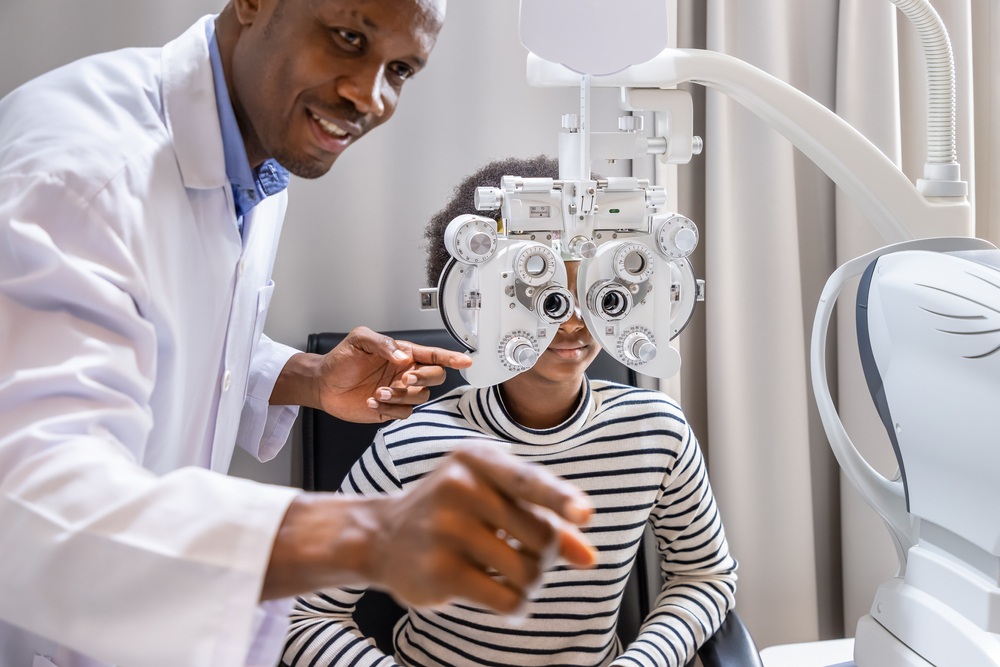
A comprehensive eye examination at the Kagio Hospital Eye Clinic is painless and takes under an hour:
- Vision testing — reading charts to measure how well each eye sees
- Eye pressure measurement — a quick, painless reading
- Optic nerve examination — the doctor looks into the back of your eye to inspect the nerve directly
- Visual field assessment — checking your side vision, where glaucoma strikes first
Can glaucoma be treated?
Yes — but only what remains can be saved. Daily pressure-lowering eye drops are the mainstay of treatment, with laser and surgical options for advanced cases. Patients who start treatment early and use their drops faithfully usually keep useful vision for life. The single greatest danger is stopping drops because “the eye feels fine” — glaucoma always feels fine, right up until sight is gone.
Protect your eyes at every age
- Have a comprehensive eye examination every 1–2 years after age 40 — yearly if you have diabetes or a family history
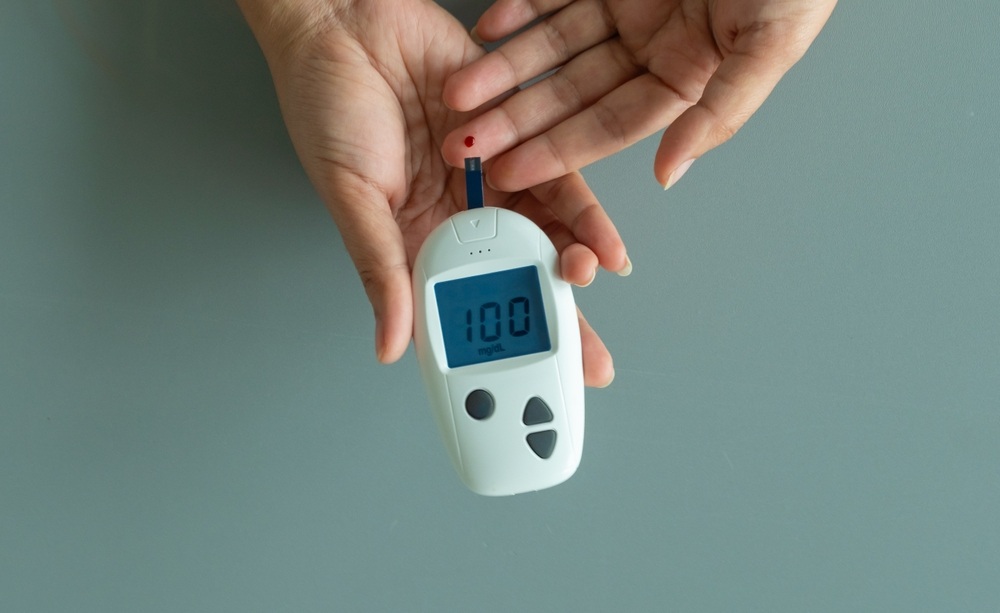
- Control blood pressure and blood sugar — both damage the eyes
- If you have diabetes, ask for annual diabetic eye screening — diabetic retinopathy is another silent sight-stealer we screen for
- Wear eye protection for farm work, grinding, welding and sports
- Never ignore sudden eye pain, flashes of light, curtains across vision or sudden vision loss — these are emergencies, and our A&E is open 24 hours
The Eye Clinic at Kagio Hospital
Our ophthalmology clinic offers comprehensive eye examinations, glaucoma screening and management, cataract assessment, diabetic eye screening, refraction services and treatment of eye infections and injuries — with NHIF/SHA and major insurances accepted.
When did you last have your eyes checked? Book today: call 0797 580 065 or visit the Eye Clinic at Kagio Hospital. Your sight is irreplaceable — protect it while it is still yours to protect.