Every mother dreams of a safe delivery and a healthy baby — and the journey to both begins long before labour day. Antenatal care (ANC) is the schedule of medical check-ups that protects you and your baby throughout pregnancy. In Kenya, complications of pregnancy remain a leading cause of preventable deaths — and the great tragedy is that most of those complications can be detected and managed early with good antenatal care.
At the Maternity & Newborn Unit at Kagio Hospital, our midwives and obstetricians walk this journey with hundreds of mothers every year. Here is what every expectant mother — and father — should know.
When should antenatal care start?
As soon as you know you are pregnant — ideally before 12 weeks. The World Health Organization recommends at least 8 antenatal contacts during a normal pregnancy. Starting early matters because the first visit sets the foundation: confirming the pregnancy, establishing your due date, screening for conditions that need managing from day one, and starting the right supplements.
What happens at your antenatal visits?
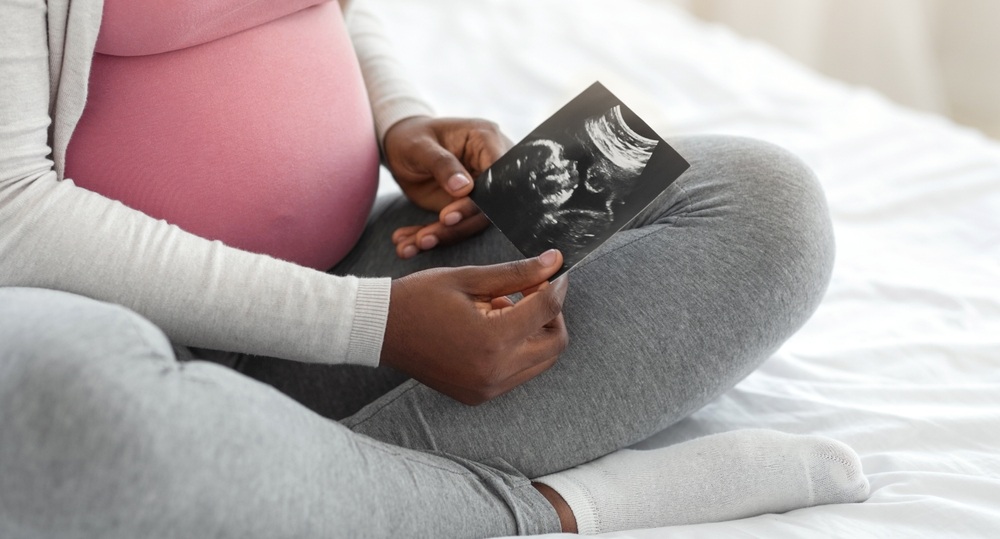
- Baby monitoring: we track your baby's growth, position and heartbeat at every visit, with obstetric ultrasound scans at key stages.
- Screening tests: blood tests for anaemia, blood group, HIV, syphilis and hepatitis; urine tests for infection and protein; blood pressure checks at every single visit to catch pre-eclampsia early.
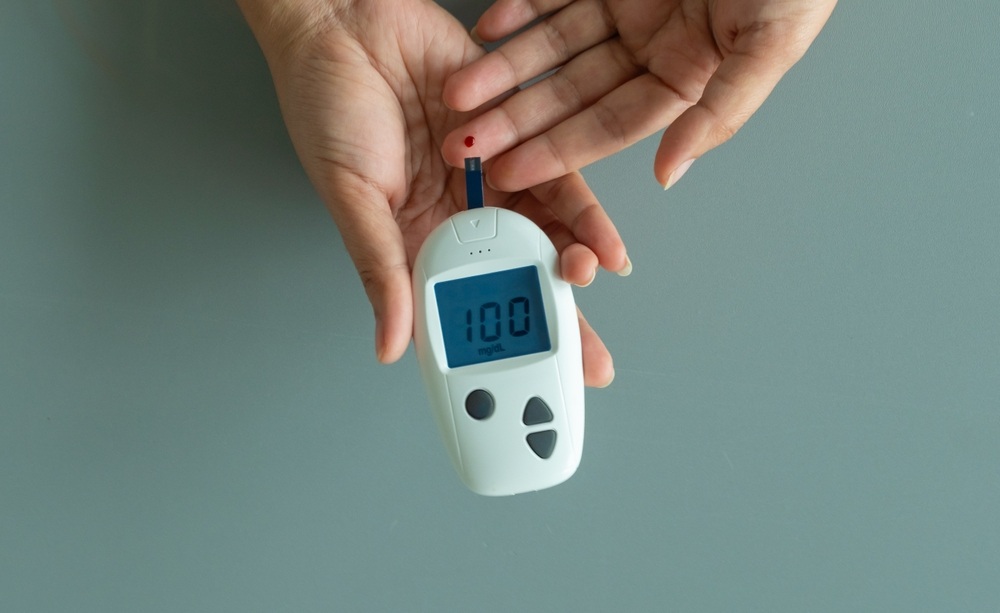
- Gestational diabetes screening: diabetes that appears during pregnancy is common and treatable — but dangerous when missed.
- Supplements and vaccines: iron and folic acid to prevent anaemia and birth defects, plus tetanus vaccination on schedule.
- Birth planning: together we prepare a clear plan — where you will deliver, how you will get there, what to pack, and what to do if labour starts early.
Danger signs every pregnant woman must know
Go to hospital immediately — day or night — if you experience any of the following:
- Vaginal bleeding, at any stage of pregnancy
- Severe headache, blurred vision or swelling of the face and hands (possible pre-eclampsia)
- Reduced or absent baby movements after 28 weeks
- Fever, or foul-smelling discharge
- Breaking of waters before labour starts
- Severe abdominal pain
Our Accident & Emergency department and maternity theatre operate 24 hours a day. Never wait until morning when something feels wrong — come in or call 0797 580 065.
Why deliver at Kagio Hospital?
Choosing where to deliver is one of the most important decisions of your pregnancy. Our maternity unit combines:
- Skilled delivery teams — experienced midwives and obstetricians on duty round the clock
- A 24-hour theatre — if an emergency caesarean section becomes necessary, there is no transfer and no delay
- An operational newborn unit — incubators, phototherapy and specialised nursing for premature or unwell babies
- Postnatal support — breastfeeding guidance, postnatal check-ups, immunization and family planning services after delivery
Maternity services are covered under NHIF/SHA (Linda Mama) and major insurance schemes — our team will guide you through the paperwork at your first visit.
A word to fathers and families
Safe motherhood is a family project. Escort your partner to ANC visits when you can, know the birth plan, keep transport money set aside, and learn the danger signs listed above. Mothers whose families are involved attend more visits — and have measurably safer deliveries.
Book your first antenatal visit at Kagio Hospital today. Walk into our outpatient department any day of the week, or call 0797 580 065. Your baby will thank you.