High blood pressure (hypertension) is one of the most common — and most dangerous — health conditions in Kenya today. According to the Ministry of Health, roughly one in every four Kenyan adults has raised blood pressure, yet more than half of them have no idea. Doctors call hypertension the “silent killer” because it can quietly damage your heart, kidneys, brain and eyes for years before any symptom appears.
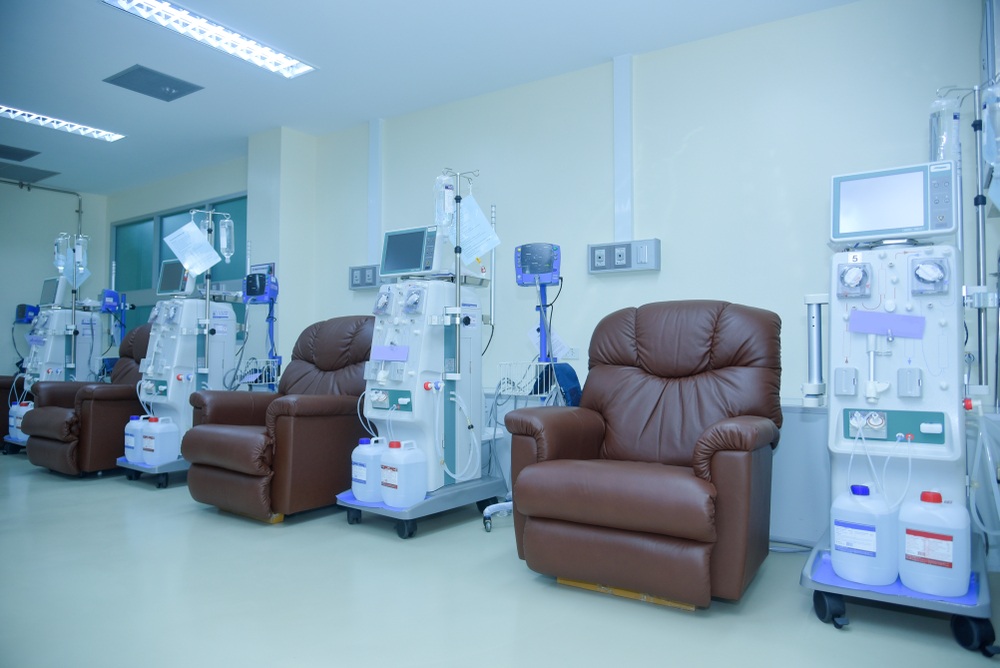
At the Diabetes & Hypertension Clinic at Kagio Hospital, we see the consequences of late diagnosis every week: strokes in people in their 40s, kidney failure that needed dialysis, heart disease that could have been prevented with a five-minute check-up. This guide explains what to watch for and what to do about it.
What exactly is high blood pressure?
Blood pressure is the force of blood pushing against the walls of your arteries. It is written as two numbers — for example 120/80 mmHg. The first number (systolic) is the pressure when your heart beats; the second (diastolic) is the pressure when your heart rests between beats. Blood pressure is generally considered high when readings are consistently 140/90 mmHg or above.
5 warning signs you should never ignore
- Persistent headaches — especially early in the morning or at the back of the head. An occasional headache is normal; headaches that keep coming back are your body waving a red flag.
- Dizziness or light-headedness — feeling unsteady when standing up or during normal daily activity can signal that your blood pressure is poorly controlled.
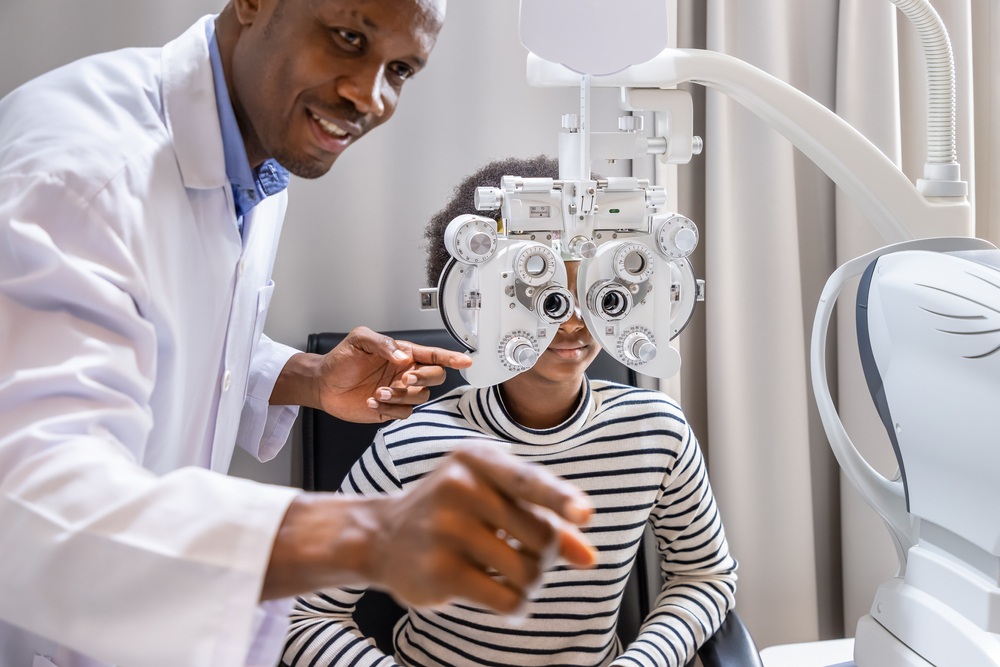
- Blurred or double vision — sustained high pressure strains and damages the delicate blood vessels at the back of your eyes (hypertensive retinopathy). Left untreated, it can permanently affect your sight.
- Chest discomfort or palpitations — a pounding heart, an irregular rhythm or a feeling of pressure in the chest can mean your heart is working far too hard against high pressure.
- Frequent nosebleeds — while most nosebleeds are harmless, repeated nosebleeds with no clear cause deserve a blood pressure check.
Important: most people with high blood pressure feel completely fine. The absence of symptoms is exactly what makes hypertension so dangerous — which is why routine screening matters more than waiting for warning signs.
Who is at higher risk?
- Adults over 40 — though we increasingly diagnose hypertension in younger Kenyans
- People with a parent or sibling with high blood pressure
- Anyone who is overweight, physically inactive, or eats a diet high in salt and processed foods
- Heavy alcohol users and smokers
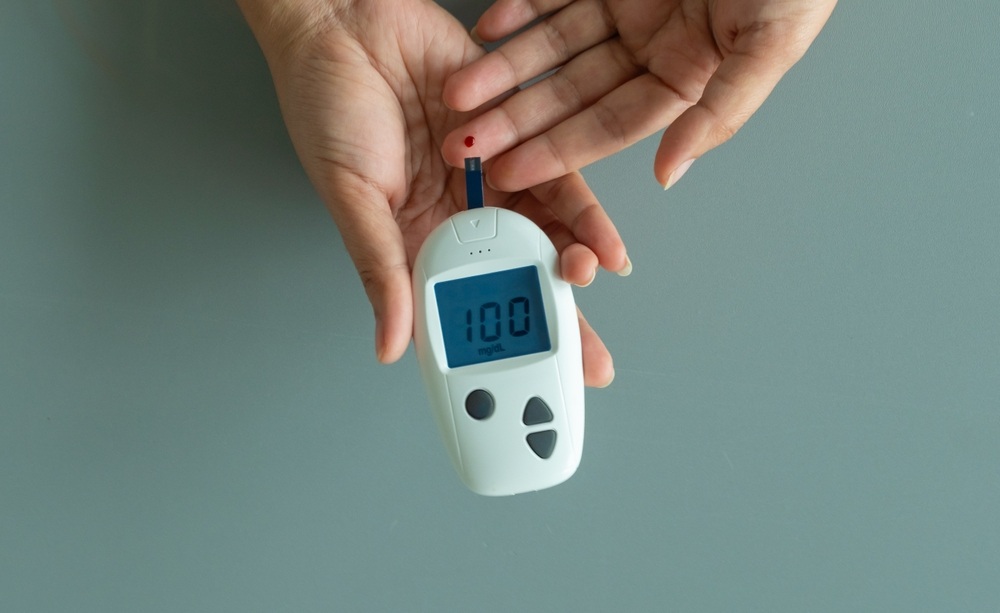
- People living with diabetes or kidney disease
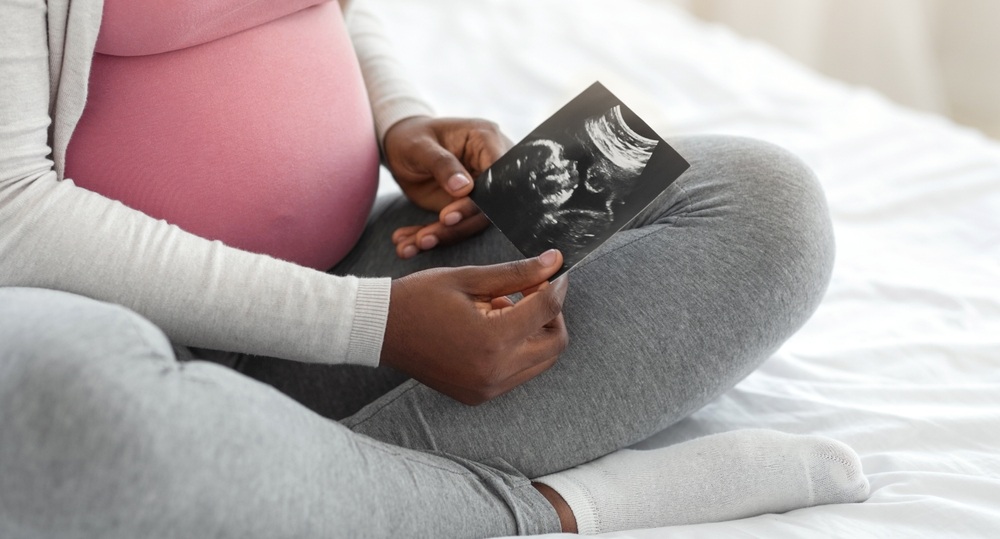
- Pregnant women — pregnancy-induced hypertension and pre-eclampsia are medical emergencies
How is hypertension diagnosed and treated?
Diagnosis is painless and takes minutes: a trained clinician measures your blood pressure on more than one occasion, and may order simple blood tests, a urine test and an ECG to check whether any organs have been affected. At Kagio Hospital, our 24-hour laboratory and echocardiography service mean the full work-up happens under one roof, in a single visit.
Treatment usually combines lifestyle changes with affordable daily medication. Modern blood pressure medicines are safe, effective and widely available — and our clinicians will find the combination that works for your body and your budget.
7 practical steps to lower your blood pressure
- Cut down on salt — aim for less than one teaspoon a day, and beware of hidden salt in processed foods, soups and snacks
- Eat more fruits, vegetables and whole grains
- Walk briskly for at least 30 minutes, five days a week
- Reduce alcohol and stop smoking entirely
- Maintain a healthy weight — even losing 5 kg can measurably lower your pressure
- Manage stress with rest, prayer, exercise or talking to someone you trust
- If you are already on treatment, take your medication every single day — never stop because you “feel fine”
Get checked at Kagio Hospital
A blood pressure check takes less than five minutes and could add decades to your life. Our Diabetes & Hypertension Clinic offers structured reviews, medication optimisation, screening for eye, kidney and heart complications, and practical nutrition coaching — with NHIF/SHA and major insurances accepted.
Walk in any day, or call us on 0797 580 065 to book your screening. Ten minutes today can protect your heart for decades.