For years, families in Kirinyaga County faced an exhausting reality: a kidney failure diagnosis meant travelling to Nairobi or Nyeri two to three times every week for dialysis. The transport costs, the 4 a.m. departures, the days lost from work and family — for many patients, the journey became as draining as the disease itself.
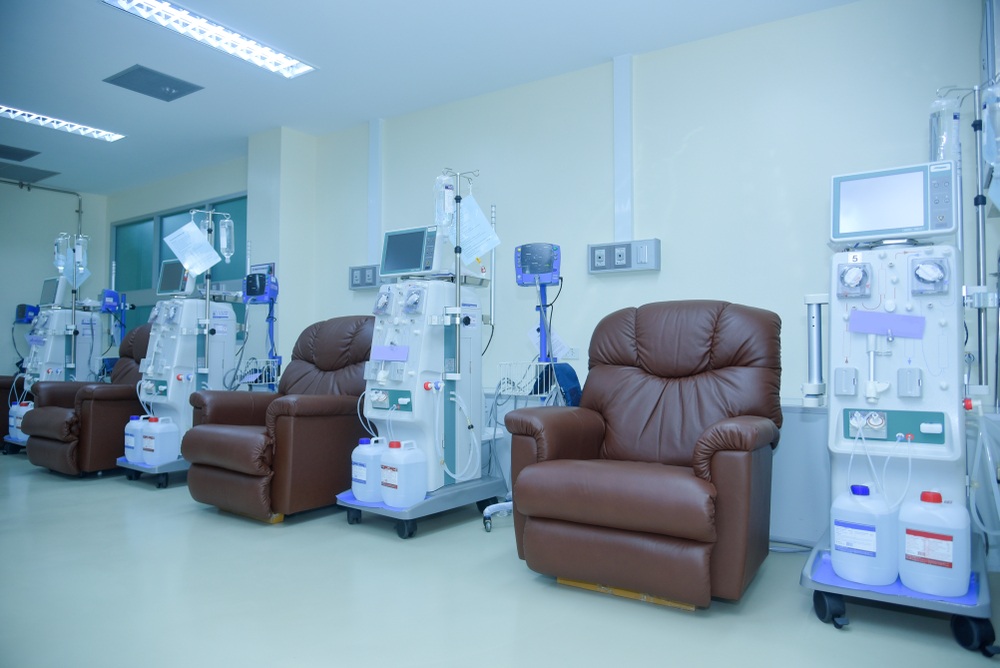
That is why the Renal Unit at Kagio Hospital matters so much. Modern haemodialysis machines, specially trained renal nurses and physician oversight — right here in Kagio town.
What do your kidneys actually do?
Your two kidneys filter around 180 litres of blood every day, removing waste products and excess water as urine. They also control blood pressure, keep your bones strong, balance body salts and signal your body to make red blood cells. When kidneys fail, waste builds up in the blood and every organ in the body begins to suffer.
What causes kidney failure in Kenya?
The two biggest culprits by far are:
- Uncontrolled high blood pressure — sustained pressure destroys the kidney's delicate filters
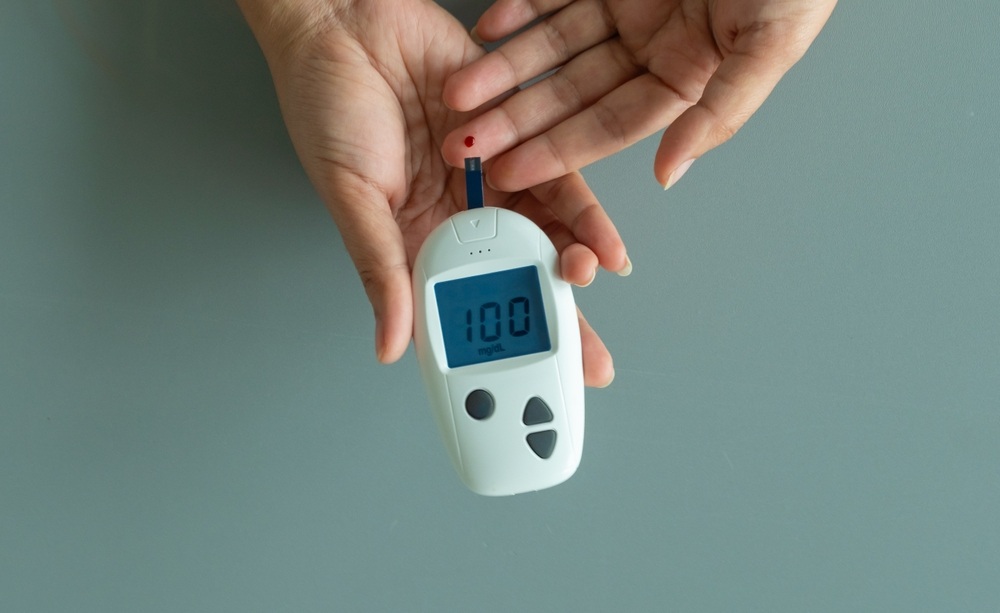
- Uncontrolled diabetes — high blood sugar silently scars the kidneys over years
Other causes include repeated kidney infections, long-term use of certain painkillers and unprescribed herbal remedies, inherited kidney conditions and obstructions such as kidney stones or an enlarged prostate.
Early warning signs of kidney disease
Early kidney disease is usually completely silent — but as it advances, watch for:
- Swelling of the feet, ankles or face — especially in the morning
- Foamy or bubbly urine (a sign of protein leaking into urine)
- Passing urine more often at night
- Persistent fatigue, poor concentration and loss of appetite
- Itchy, dry skin and muscle cramps
- High blood pressure that is difficult to control
A simple, affordable blood test (creatinine/eGFR) and a urine test at our 24-hour laboratory can detect kidney disease years before it becomes serious. If you have diabetes or hypertension, get tested at least once a year.
What is haemodialysis, and who needs it?
When kidneys have permanently lost most of their function (end-stage kidney disease), haemodialysis takes over their work: your blood is gently passed through a machine that filters out waste and extra fluid, then returned to your body. A typical session lasts about four hours, done two to three times a week.
At the Kagio Hospital Renal Unit, every session includes:
- Modern dialysis machines with continuous monitoring
- Renal-trained nurses and physician oversight throughout
- Comfortable treatment stations — many patients rest, read or sleep
- Individualised dialysis plans, reviewed regularly
- Nutrition counselling designed for kidney patients
Does NHIF/SHA cover dialysis?
Yes. Dialysis sessions at our renal unit are covered under NHIF/SHA renal packages, which cater for the standard weekly sessions. Our team will guide you and your family through the registration and paperwork so cost never stands between you and treatment.
Protecting your kidneys — starting today
- Control your blood pressure and blood sugar — the two biggest kidney savers
- Drink adequate water daily
- Avoid regular use of painkillers unless prescribed
- Be cautious with herbal concoctions — some are directly toxic to kidneys
- Go for an annual kidney function test if you are diabetic, hypertensive or over 60
The best dialysis is the one you never need. Visit Kagio Hospital for a kidney screening, or call 0797 580 065 to learn more about our renal services.