In our outpatient department at Kagio Hospital, waterborne and food-borne infections — typhoid, amoebiasis, giardia, bacterial diarrhoea and occasionally cholera — remain among the most common conditions we treat. In a county like Kirinyaga, where farming, irrigation and busy market centres are part of daily life, germs that travel through water and food find plenty of opportunities. The good news: nearly all of these illnesses are preventable with simple, consistent habits — and very treatable when caught early.
How waterborne diseases spread
These infections follow what health workers call the faecal–oral route: germs from human waste reach the mouth through contaminated drinking water, food handled with unwashed hands, fruits and vegetables washed in dirty water, or flies moving between waste and food. One infected food handler, one contaminated shallow well, or one unwashed hand can infect an entire household.
Know the symptoms
- Typhoid fever: a fever that rises steadily over several days, headache, abdominal pain, weakness, constipation or diarrhoea, and loss of appetite. Untreated typhoid can perforate the intestines — a surgical emergency.
- Cholera: sudden, profuse watery diarrhoea ("rice-water" stools) and vomiting, leading to life-threatening dehydration within hours. Cholera is always an emergency.
- Amoebiasis: gradual abdominal cramping, diarrhoea that may contain blood or mucus, and fatigue; can cause liver abscesses if untreated.
- Giardia and bacterial diarrhoea: bloating, foul-smelling diarrhoea, nausea and cramping that lingers for days.
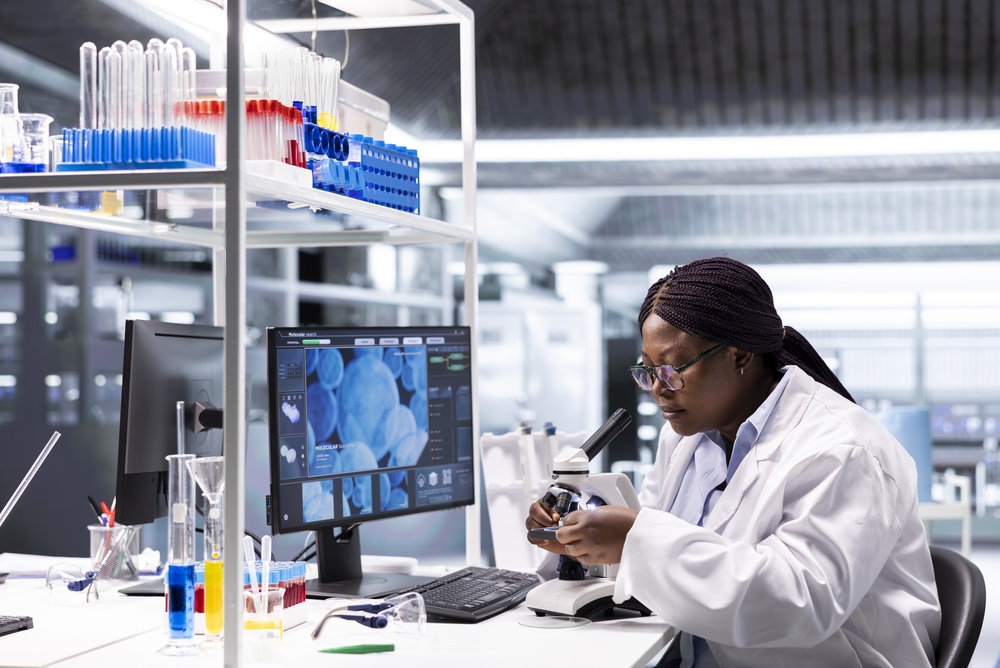
Beware of self-diagnosing “typhoid” at every stomach upset. Proper laboratory testing — stool tests and blood cultures at our 24-hour lab — identifies the true cause, so you get the right medicine instead of repeated, ineffective (and resistance-breeding) antibiotics.
Seven proven prevention habits
- Treat your drinking water — boil for at least one minute, or use certified water treatment tablets/filters. Store treated water in clean, covered containers with a tap or ladle.
- Wash hands with soap at the critical moments: after the toilet, after changing a baby, before cooking and before eating. Soap and 20 seconds of rubbing matter more than the amount of water.
- Wash fruits and vegetables with treated water — especially those eaten raw.
- Cook food thoroughly and eat it hot. Reheat leftovers until steaming; germs multiply fast in food left at room temperature.
- Use a latrine or toilet — always — and keep it clean. Open defecation near rivers and irrigation canals seeds the whole community's water.
- Protect food from flies with covers and nets, and keep rubbish covered and away from the kitchen.
- Be extra careful with street food — choose vendors who handle food hygienically and serve it hot.
Dehydration: the real killer
Most diarrhoeal deaths are not caused by the germ itself but by fluid loss. Start oral rehydration solution (ORS) early — at home, at the first loose stools — and continue breastfeeding infants. Come to hospital immediately if there is blood in stool, high fever, repeated vomiting, signs of dehydration (sunken eyes, no tears, little urine, unusual drowsiness), or if the patient is an infant, elderly, or pregnant.
Treatment at Kagio Hospital
Our outpatient department, 24-hour laboratory and pharmacy work as one: consultation, accurate stool and blood testing, the correct treatment and rehydration — in a single visit. Severe cases have immediate access to IV fluids and admission. Don't gamble with days of home remedies while dehydration builds; early treatment is faster, cheaper and safer.
Visit us any time, day or night, or call 0797 580 065.