Diabetes is one of the fastest-growing health conditions in Kenya. Changing diets, urban lifestyles and reduced physical activity mean that clinics across the country — including ours in Kagio — are diagnosing diabetes in more and younger patients every year. Yet here is the truth we tell every newly diagnosed patient: diabetes is a condition you live with, not a sentence you suffer under. With the right knowledge, medication and support, people with diabetes farm, run businesses, raise families and live long, full lives.
What is diabetes?
Diabetes means there is too much sugar (glucose) in your blood. This happens either because the body no longer produces insulin — the hormone that moves sugar from blood into cells (Type 1) — or, far more commonly, because the body no longer responds to insulin properly (Type 2). A third type, gestational diabetes, appears during pregnancy and needs careful management for a safe delivery.
Early symptoms you should never dismiss
- Passing urine much more often — especially at night
- Unusual, persistent thirst
- Losing weight without trying
- Constant tiredness and low energy
- Blurred vision
- Wounds and cuts that heal slowly
- Recurrent infections — skin, urinary or thrush
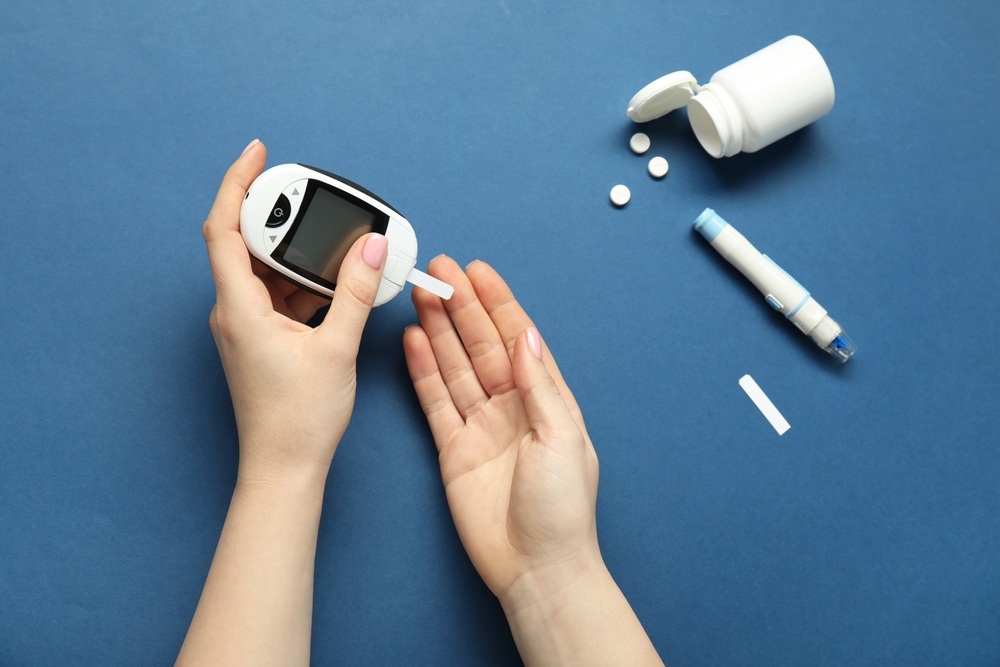
Many people have Type 2 diabetes for years before diagnosis — and damage to the eyes, kidneys and nerves may already be underway. A simple fasting blood sugar test at our laboratory settles the question in minutes.
Eating well with diabetes — Kenyan edition
You do not need expensive special foods. You need balance, portion control and consistency:
- Fill half your plate with vegetables — sukuma wiki, spinach, cabbage, managu, tomatoes
- Choose whole grains — brown ugali (whole maize), brown rice, whole-wheat chapati in modest portions
- Limit sugar directly — take tea without sugar, avoid sodas and sweetened juices entirely
- Mind the starches — potatoes, white rice and white bread raise sugar quickly; keep portions small
- Healthy proteins — beans, ndengu, fish, chicken and eggs help you feel full without spiking sugar
- Eat regular meals — skipping meals then overeating causes dangerous sugar swings
Beyond diet: the daily essentials
- Move every day — a brisk 30-minute walk lowers blood sugar as effectively as some medications
- Take medication faithfully — tablets or insulin work only when taken every day, not only when you feel unwell
- Check your feet daily — diabetes numbs nerves; a small unnoticed wound can become a serious ulcer. Wash, dry and inspect your feet every evening, and never walk barefoot
- Attend your clinic reviews — regular checks of blood sugar, blood pressure, kidneys, eyes and feet catch complications while they are still reversible
Diabetes control is a partnership: you manage the daily habits, we provide the monitoring, medication and guidance. Neither works without the other.
The Diabetes & Hypertension Clinic at Kagio Hospital
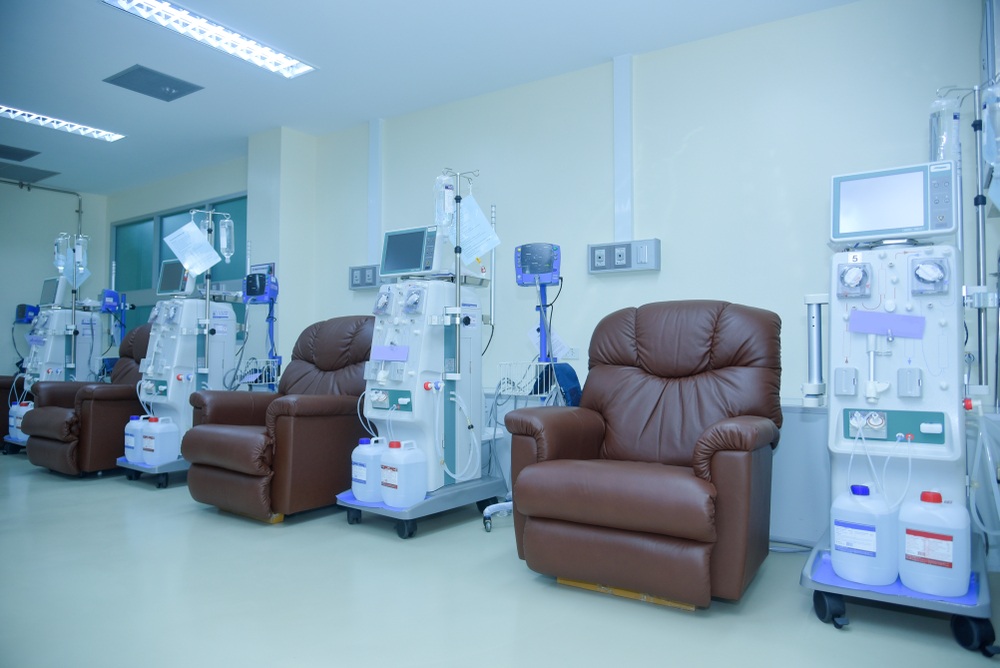
Our structured chronic-disease clinic offers regular monitoring, medication optimisation, complication screening (eyes, kidneys, feet and heart), diabetic foot care and one-on-one nutrition coaching — with seamless referral to our renal, eye and physician clinics when specialised input is needed. NHIF/SHA and major insurers are accepted.
If you have symptoms — or simply haven't been tested in over a year — visit us or call 0797 580 065. Knowing your numbers is the first step to controlling them.