Cervical cancer kills more Kenyan women than any other cancer — around nine women every day. Behind that painful statistic lies a hopeful truth: cervical cancer is one of the most preventable and treatable cancers we know, because it develops slowly and gives us years of opportunity to catch it early. The tragedy is not the disease itself; it is late detection.
At the Kagio Hospital Cancer Center, cervical cancer screening is quick, private and affordable. Here is what every woman — and every family — should understand.
What causes cervical cancer?
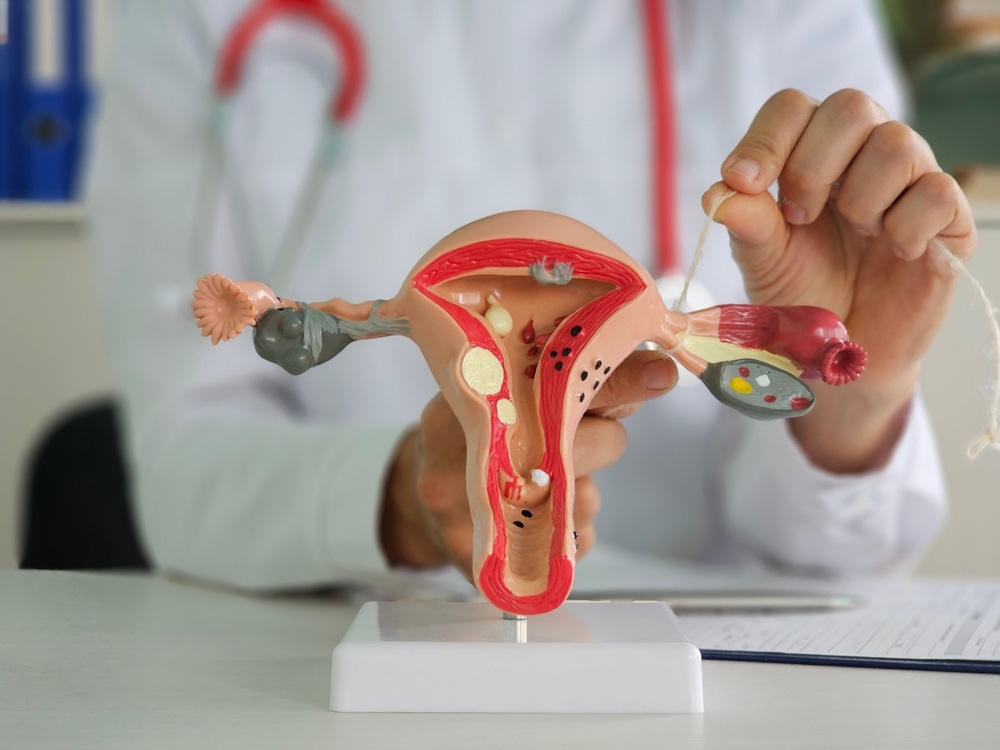
Nearly all cervical cancer is caused by the human papillomavirus (HPV), an extremely common virus that most sexually active people encounter at some point. In most women the immune system clears the virus naturally. In some, however, the infection persists and slowly changes the cells of the cervix over 10–20 years — first into pre-cancerous lesions, then into cancer.
That long, slow timeline is our greatest weapon: screening finds pre-cancerous changes years before they become cancer, when treatment is simple and virtually always successful.
How is screening done?
- HPV testing / Pap smear: a gentle swab of the cervix takes less than five minutes during a normal clinic visit. Samples are examined for the virus and for abnormal cells.
- Visual inspection (VIA): a trained clinician examines the cervix directly — a rapid method with same-visit results.
Screening is not painful — most women describe mild pressure only — and is done in complete privacy by our clinicians at the women's health and cancer clinics.
Who should be screened, and how often?
- All women aged 25 to 49: screening every 3–5 years depending on the method used
- Women aged 50–65: continue screening at the interval your clinician advises
- Women living with HIV: screening more frequently, as advised — HIV increases the risk of persistent HPV
Being screened does not mean anyone thinks you have cancer. It means you are taking the one step proven to prevent it.
Warning signs that need review — without delay
- Bleeding between periods, after intimacy, or after menopause
- Unusual, persistent or foul-smelling discharge
- Pain during intimacy or persistent pelvic pain
These symptoms usually have simpler explanations — but they must always be examined. Our gynaecology and cancer clinics see such cases promptly.
What about the HPV vaccine?
Kenya offers the HPV vaccine free of charge to girls aged 10–14 through the national immunization programme. The vaccine prevents the infections that cause most cervical cancers, and combined with adult screening it puts the elimination of cervical cancer genuinely within reach. If you have a daughter in this age group, vaccinate her — it is one of the best health decisions you will ever make for her.
Screening at Kagio Hospital
The Kagio Hospital Cancer Center offers cervical cancer screening alongside breast and prostate screening, with laboratory back-up, colposcopy referral, treatment of pre-cancerous lesions and full oncology support — including chemotherapy — should it ever be needed. NHIF/SHA packages are accepted.
Book a screening today: call 0797 580 065 or walk into the Cancer Center any weekday. Fifteen minutes could save your life.